
High-Tech Camera Inspections: See Inside Your Pipes with Our NY Team
Plumbing problems are often hidden. You know something is wrong—a slow drain, a gurgling sound, a bad smell—but you can't see the cause. Our camera inspection service changes that. Using state-of-the-art, waterproof cameras, we provide a real-time, high-definition look inside your pipes. It's the most accurate, non-invasive diagnostic tool in modern plumbing, and it saves you time, money, and unnecessary digging.
Our Inspection Team & Technology
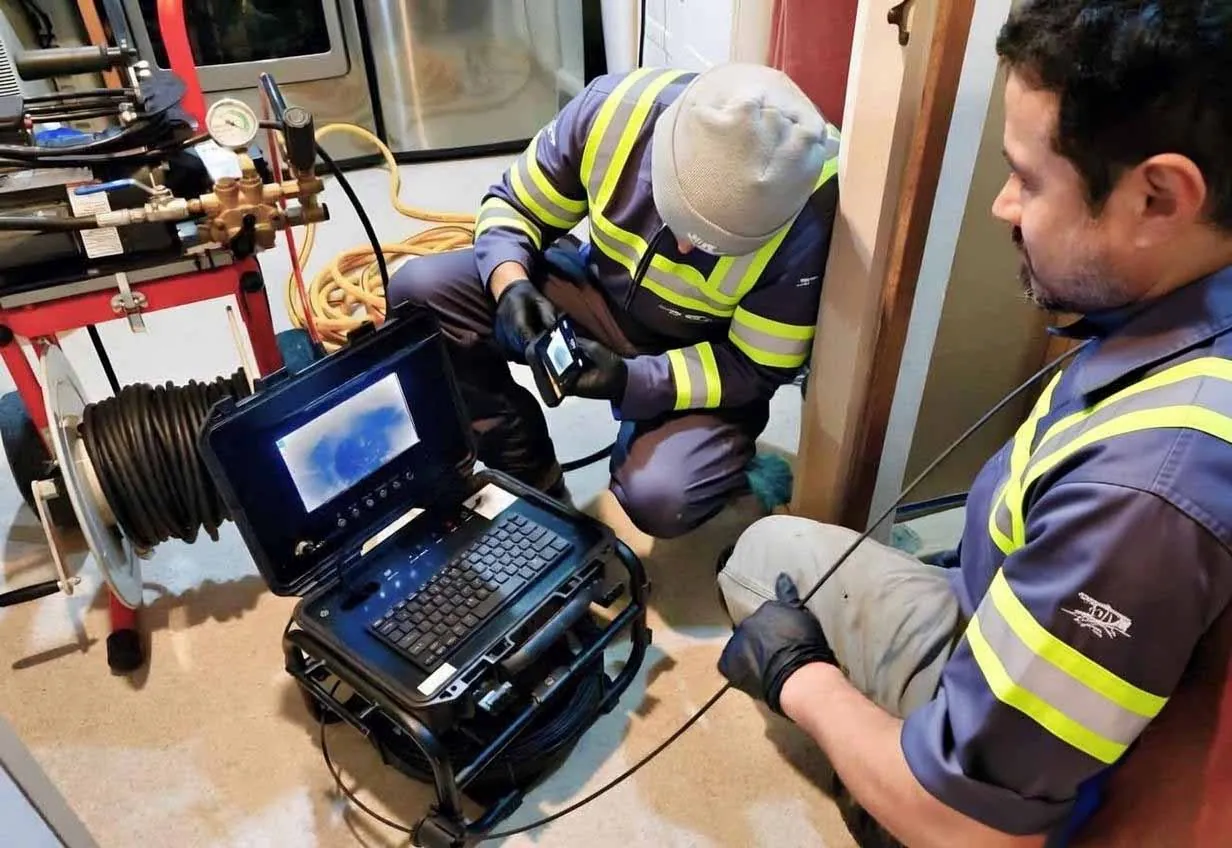
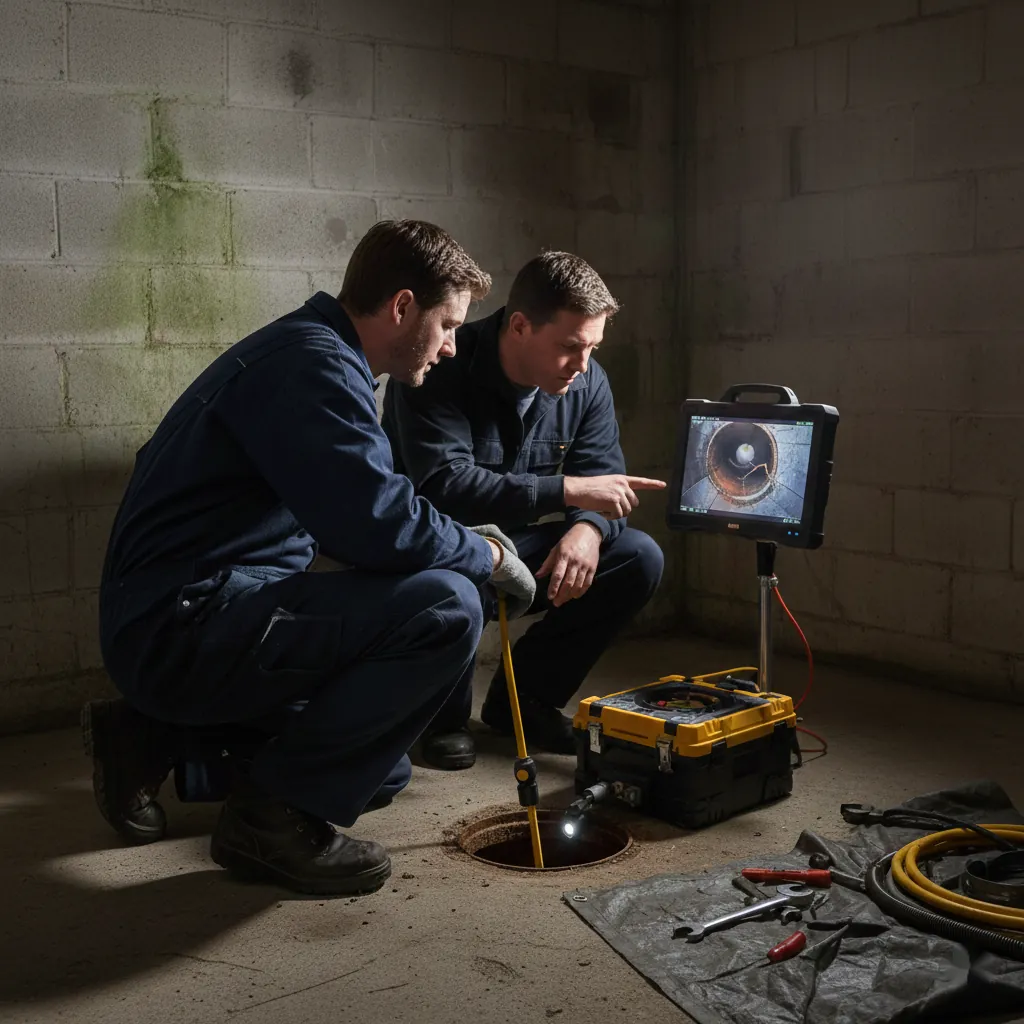
Our camera inspection technicians are trained to interpret what they see on the screen. They don't just run the camera; they analyze the footage, identify problems, and explain their findings to you in clear terms. We use professional-grade inspection systems with self-leveling cameras that provide a clear, upright image even in crooked pipes. The cameras are equipped with powerful lights to illuminate the interior, and they transmit the footage to a monitor in real-time. The system also records the entire inspection, providing you with a permanent record.
When You Need a Camera Inspection
- Before Buying a Home: A sewer line inspection is one of the most important parts of a home inspection, especially for older New York homes. It can reveal costly issues like root intrusion, cracked pipes, or a collapsed line before you become the owner.
- Persistent or Recurring Clogs: If you're calling a plumber to clear the same drain every few months, a camera inspection can reveal the root cause—a ""belly"" in the line where waste settles, a broken pipe letting in debris, or tree roots that have penetrated the pipe.
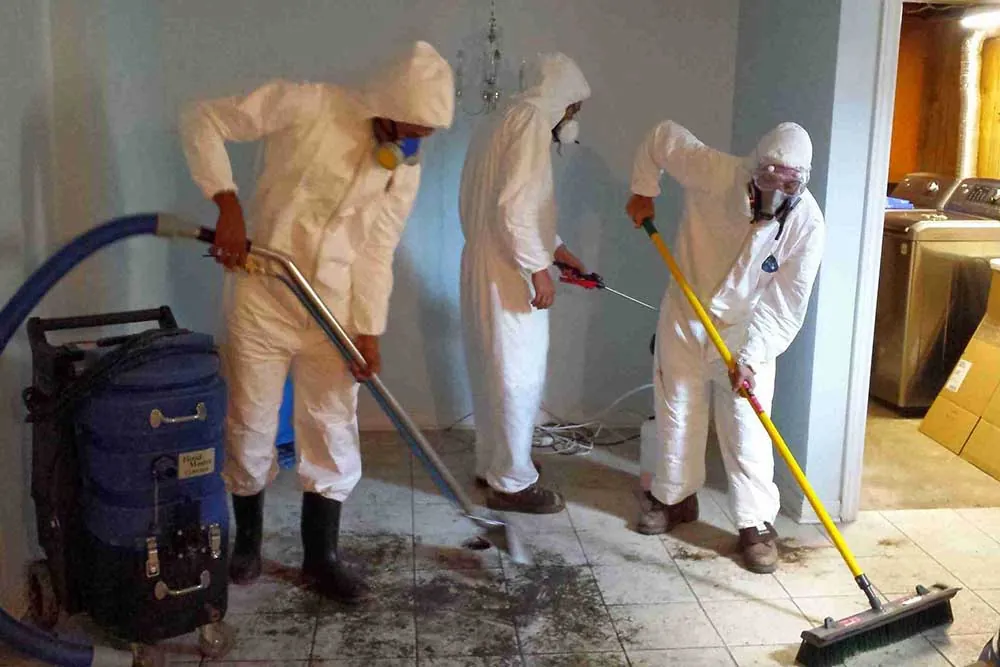
- Sewer Line Backup: After a main line backup, a camera inspection is essential to determine the cause and ensure the line is completely clear. It also helps us recommend the best repair method (e.g., snaking vs. hydro-jetting vs. pipe lining).
- Unexplained Odors or Pests: Foul smells or rodent issues can sometimes be traced back to a broken or compromised sewer line. A camera inspection can confirm or rule out this possibility.
- Post-Repair Verification: After we perform a sewer line repair or replacement, we often run the camera again to verify the work is perfect and the line is clear and properly aligned.
What We Find on Camera
- Root Intrusion: Fine roots entering through joints or cracks, which can eventually completely block the pipe.
- Cracks & Fractures: From ground movement, age, or tree roots.
- Offset Joints: Where two sections of pipe no longer align, creating a lip that catches debris.
- ""Bellies"" or Sagging Pipes: Low spots in the line where water and waste pool, leading to recurring clogs.
- Grease Buildup: Thick layers of hardened grease reducing the pipe's diameter, common in kitchen lines.
- Broken or Collapsed Pipe: A complete failure of the pipe structure.
- Obstructions: Foreign objects, debris, or scale buildup.
The Inspection Process
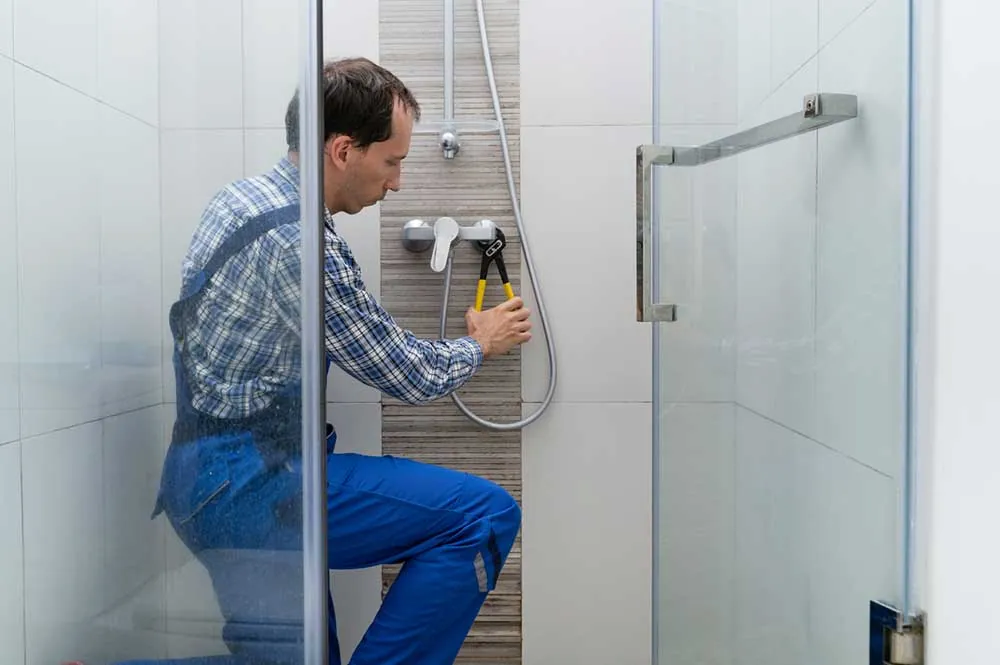
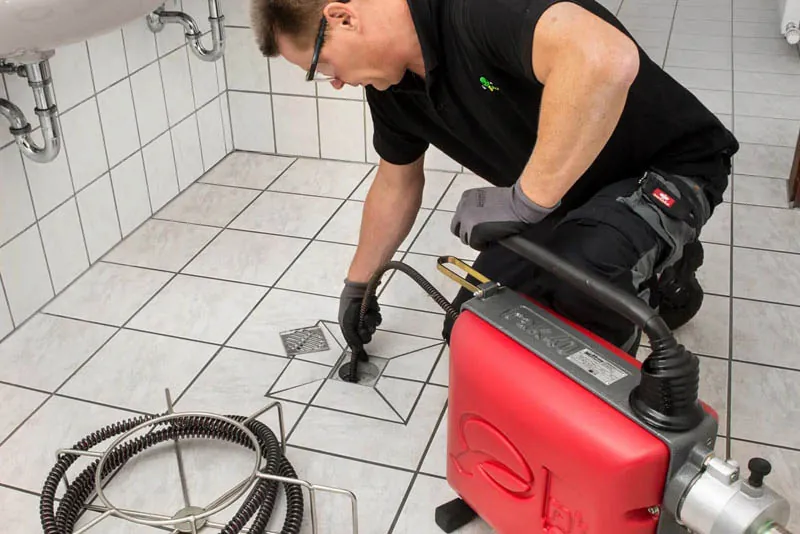
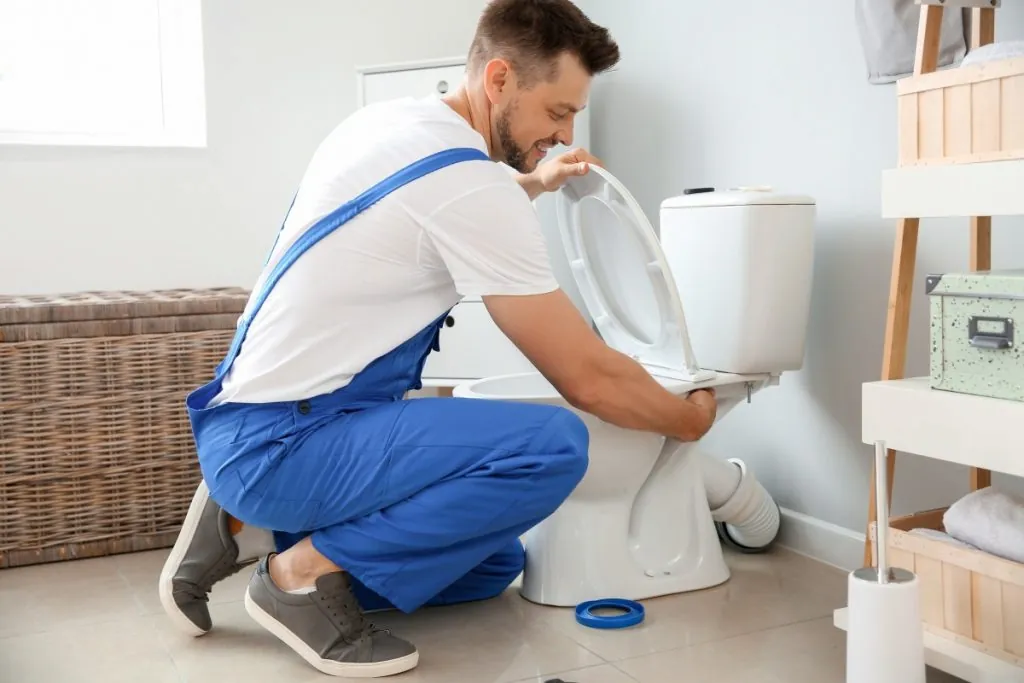
- Access: We insert the flexible fiber-optic camera rod into a cleanout, a removed toilet, or a drain opening.
- Navigation: We slowly push the camera through the pipe, observing the live feed on our monitor. We note the distance traveled, so we can pinpoint the exact location of any issue.
- Locating: The camera head has a built-in sonde (transmitter). We use a handheld locator above ground to mark the precise spot of any problem, which is invaluable if excavation is needed.
- Reporting: We record the entire inspection. Afterward, we review the footage with you, pointing out any issues and explaining their implications. We provide you with a digital copy of the video and a written summary of our findings.
Time and Cost
- Duration: 45 minutes to 1.5 hours for a standard residential main line. Inspecting branch lines or multiple drains takes additional time.
- Investment: $250 - $550, depending on the length of the line inspected and the complexity of the access. This is a small price to pay for the clarity and peace of mind it provides, potentially saving you thousands in unnecessary repairs or surprises.