
Plumbing
Glen Cove
Get a plumber fast. No prepayment required.
(855)215-04-94
Menu
Gas Line Installation

Gas Line Installation in Glen Cove, NY

Adding a new gas appliance can transform how you use your home. A gas range offers precise temperature control for serious cooking. A gas fireplace provides cozy warmth without the mess of wood. An outdoor grill or fire pit extends your living space into the yard for summer evenings. But running a new gas line requires expertise that goes far beyond simple pipe connection. Proper installation involves calculating loads, selecting appropriate materials, routing lines safely, and meeting all local code requirements. In Glen Cove, where codes can vary and homes have unique characteristics, professional installation is essential.

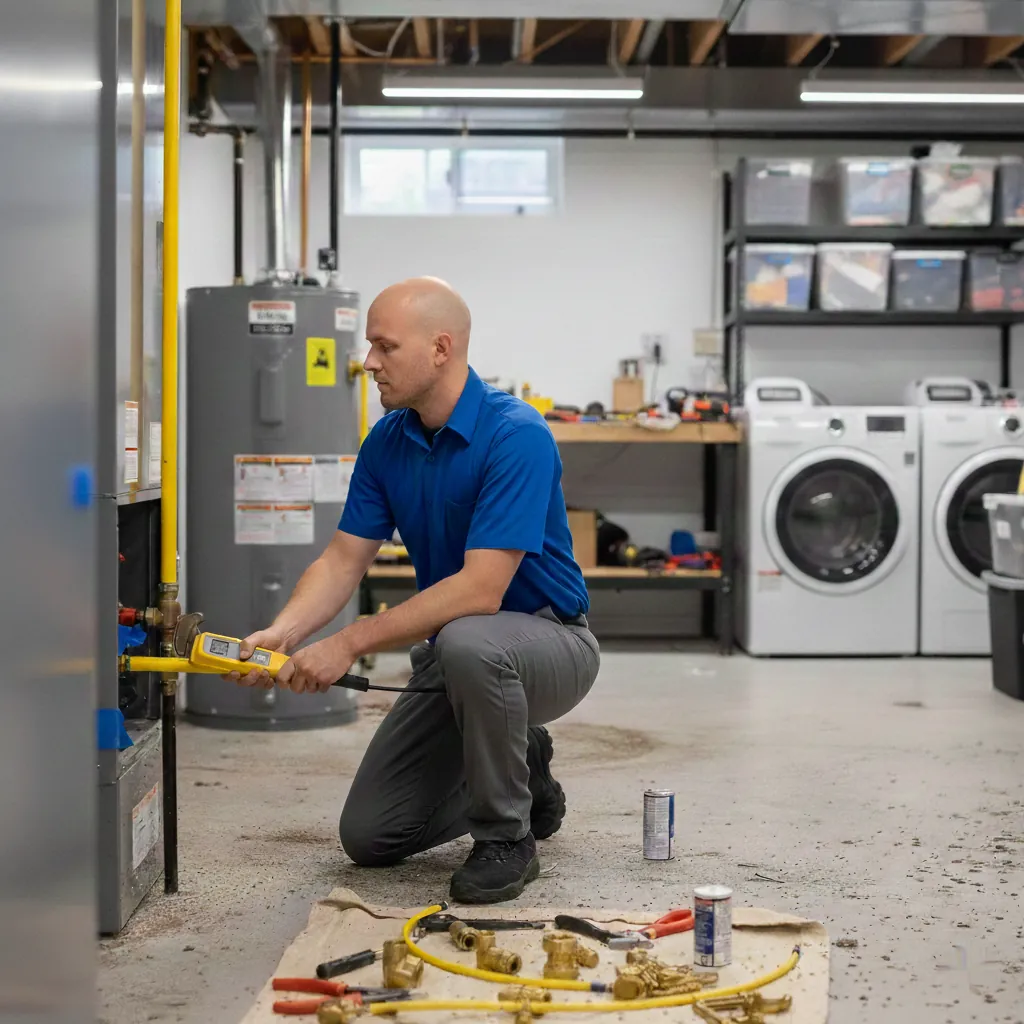
Our gas line installation service handles the entire process from start to finish. We begin by assessing your existing gas system—the capacity of your meter, the size of your main line, and the current load from existing appliances. We perform detailed BTU calculations to ensure your system can handle the additional demand without affecting the performance of other appliances.

Call now (855)215-04-94

Plumbing Services in Glen Cove

Gas Line Installation in Glen Cove, NY

Professional Gas Line Installation for Glen Cove Homeowners

Adding a gas appliance brings convenience and efficiency to your home, but only if the line is installed correctly. Our team provides professional gas line installation for Glen Cove residents, ensuring safety, code compliance, and reliable operation.

Common Gas Line Installation Projects

  • Gas ranges and cooktops for kitchen remodels
  • Gas dryers for faster, more efficient laundry
  • Gas fireplaces and inserts for supplemental heat
  • Outdoor grills, fire pits, and patio heaters
  • Gas pool heaters to extend swimming season
  • Garage or shop heaters for workspaces
  • Gas water heaters (tank or tankless)

Why Choose Our Installation Team

Our technicians are licensed and trained specifically in gas line work. We don't guess at pipe sizing—we perform detailed BTU load calculations to ensure every appliance receives adequate gas pressure, even when multiple are running. We're familiar with the specific requirements of Glen Cove building codes and coordinate with local utilities when meter upgrades are needed. All our work is backed by a warranty on both materials and labor.

Our Installation Process

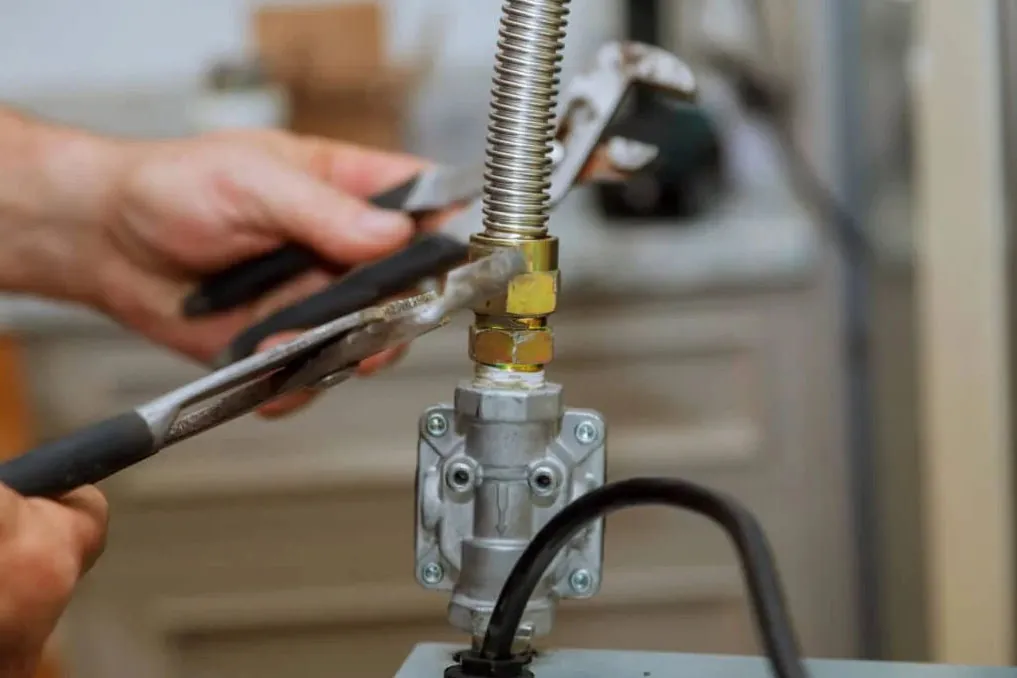
We begin by evaluating your existing gas system—meter capacity, main line size, and current appliance loads. We perform BTU calculations to determine if upgrades are needed. Then we design the safest, most efficient route for the new line. We handle all permitting and utility coordination. During installation, we use quality materials—black iron pipe for exposed runs, flexible CSST for walls and tight spaces. Every line is pressure-tested before connection, and we verify proper appliance operation. We schedule final inspections and provide documentation of all work.

Timeline and Availability

Simple installations typically take 2-4 hours. More complex runs may take 4-8 hours or span two days if meter upgrades are needed. We schedule installations during regular business hours and don't offer 24/7 service, but we work efficiently to minimize disruption to your routine.

Cost Factors

Basic installations: $500-$1,200. Complex projects: $1,200-$3,000+. Meter upgrade fees vary by utility. We provide detailed estimates before work begins.

Call Now & Save!
Connect With a Licensed Plumber
Call Now

Frequently Asked Questions

How much does gas line installation cost?

The average cost to install a new gas line ranges from $500 to $2,000, depending on the length of the line, location (indoor vs. outdoor), and the appliance being connected (e.g., stove, dryer, or fireplace). Simple appliance hookups start around $300–$700, while running a new line from the meter can exceed $1,500. Factors like trenching, permits, and pipe material also affect the price. We provide free on-site estimates to give you an accurate quote.

Who can install a gas line in my home?

Gas line installation must be performed by a licensed plumber or gas fitter. Natural gas work is highly regulated for safety reasons, and only professionals with proper certification can pull permits and ensure code compliance. DIY installation is not recommended and is often illegal in most U.S. jurisdictions due to the risk of leaks or explosions.

Do I need a permit for gas line installation?

Yes, in almost all U.S. cities and counties, a permit is required for new gas line installation or major modifications. Your licensed plumber will handle obtaining the permit and scheduling inspections to ensure the work meets local building codes (such as the International Fuel Gas Code).

Can I install a gas line myself?

No, we strongly advise against DIY gas line installation. Working with natural gas or propane is extremely dangerous—improper installation can lead to gas leaks, carbon monoxide poisoning, fires, or explosions. Always hire a licensed professional to ensure safety and compliance.

What materials are used for gas lines?

Common materials include black iron pipe, corrugated stainless steel tubing (CSST), polyethylene (PE) for underground lines, and sometimes copper (though less common now). The choice depends on local codes, whether the line is indoor/outdoor, and the application. We use code-approved, high-quality materials for durability and safety.

How long does gas line installation take?

Most residential gas line installations take 1–3 days, depending on complexity. A simple appliance hookup might be completed in a few hours, while running a new line through walls or underground can take longer due to trenching, testing, and inspections.

Is it safe to extend a gas line for a new appliance (like a stove or grill)?

Yes, when done by a professional. We’ll perform a pressure test, check for leaks, and ensure proper sizing for your appliance’s BTU requirements. Extending an existing line is often more affordable than installing a completely new one.

What are the signs of a gas leak, and what should I do?

Signs include a rotten egg smell, hissing sounds, dead plants near underground lines, or higher-than-normal gas bills. If you suspect a leak, evacuate immediately, do not turn on lights or appliances, and call your gas company or 911 from a safe location. Then contact us for emergency repairs.

Do you install gas lines for outdoor appliances like BBQs or fire pits?

Absolutely! We specialize in outdoor gas line installations, including trenching and weather-resistant piping. These projects often cost $500–$1,500 and require proper venting and shut-off valves for safety.

Plumbing Emergency Service (855)215-04-94 Call Now