






Comprehensive Basement Flooding Solutions for Patterson Properties
Basement flooding can happen suddenly and with devastating effect. Our comprehensive service helps Patterson homeowners recover quickly and implement measures to prevent future incidents. We combine rapid emergency response with thorough investigation and practical prevention advice.
Understanding Basement Flooding Causes
Different flood sources require different responses and prevention strategies:
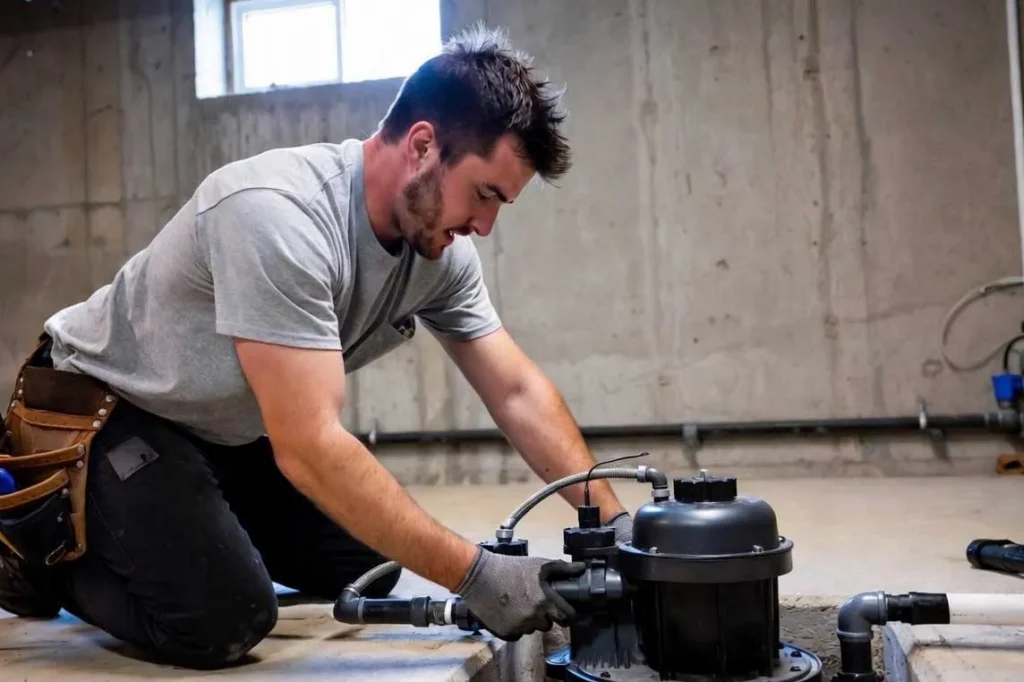
- Sump Pump Failure: The most common cause during storms. Pumps can fail due to power outages, mechanical failure, being overwhelmed by water volume, improper sizing, or switch problems. Each requires different solutions.
- Heavy Rainfall: Intense storms can overwhelm natural drainage, causing water to pool around foundations and seep through walls or floors. This is particularly common during Patterson's spring and summer storms.
- Snowmelt: Rapid spring thaws release large volumes of water that can saturate ground and find paths into basements. Frozen ground can prevent proper drainage, forcing water toward foundations.
- Foundation Cracks: Over time, foundations can develop cracks through which groundwater can enter. Hydrostatic pressure during wet periods forces water through these openings. Some cracks are minor; others indicate structural issues.
- Failed Window Wells: Window wells that aren't properly drained can fill with water, which then enters through window seals or frames. Covers can prevent this.
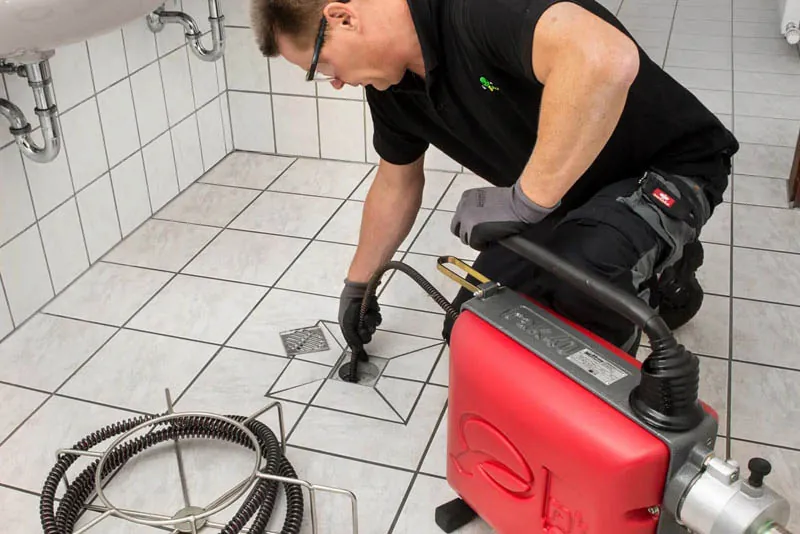
- Sewer Backup: When municipal sewer systems are overwhelmed, water can back up through floor drains and fixtures. This requires different handling due to contamination.
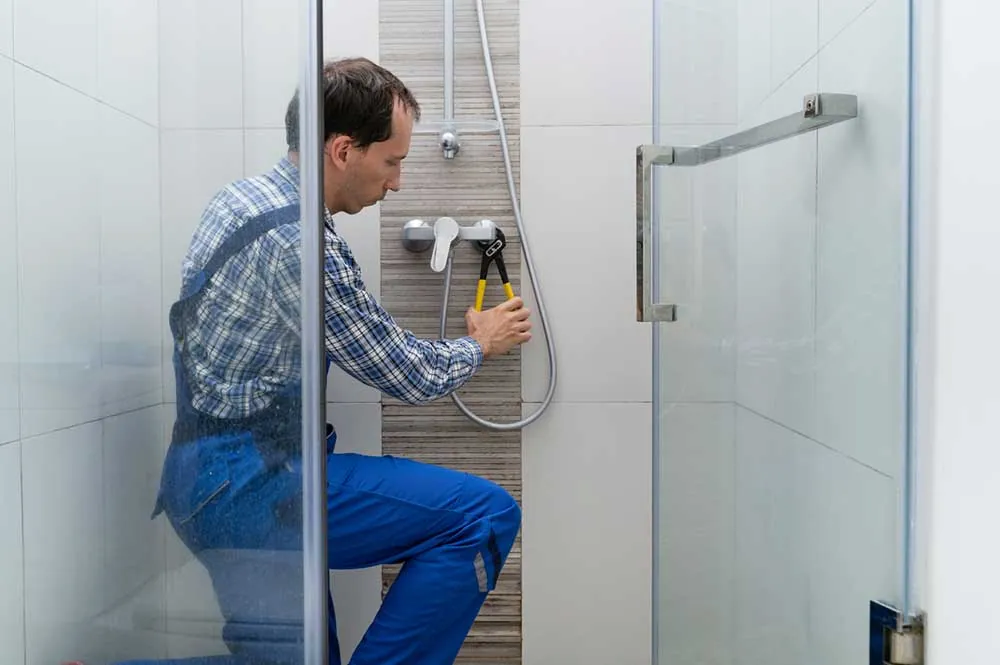
- Burst Pipes: Frozen pipes can burst during Patterson winters, releasing water into basements even when no one is home. Insulation and heat tape can prevent this.
Our Comprehensive Flood Response
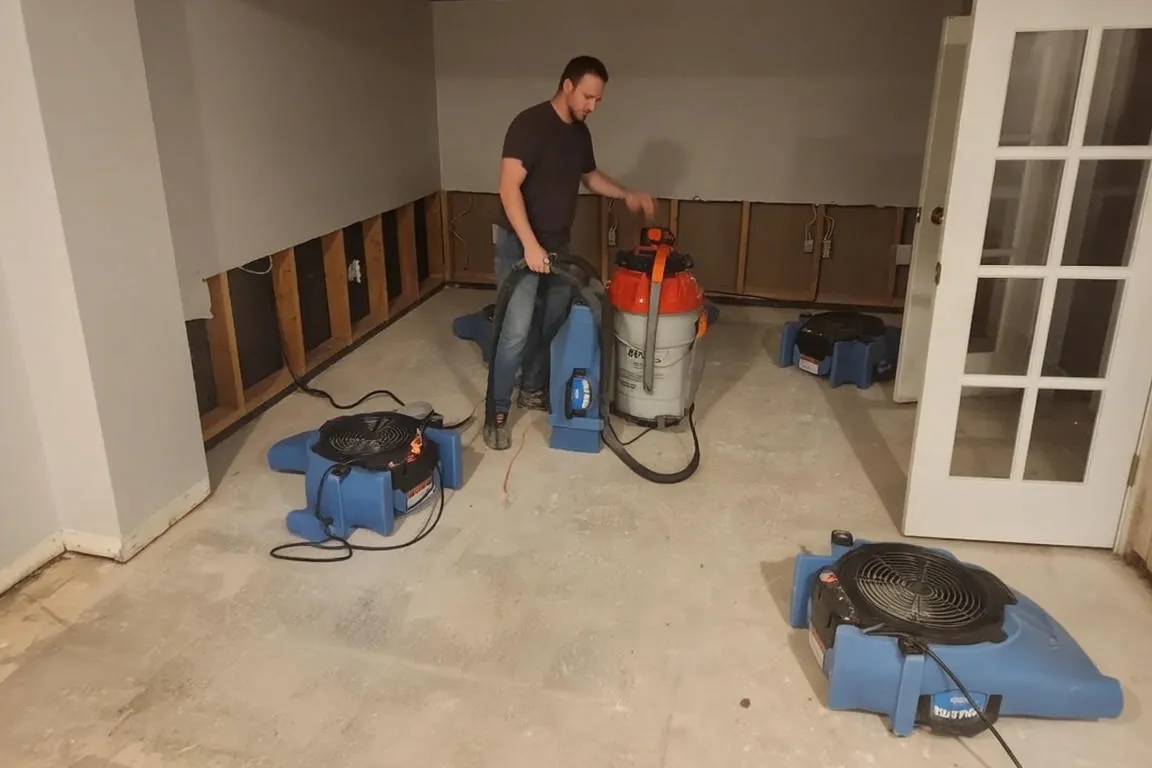
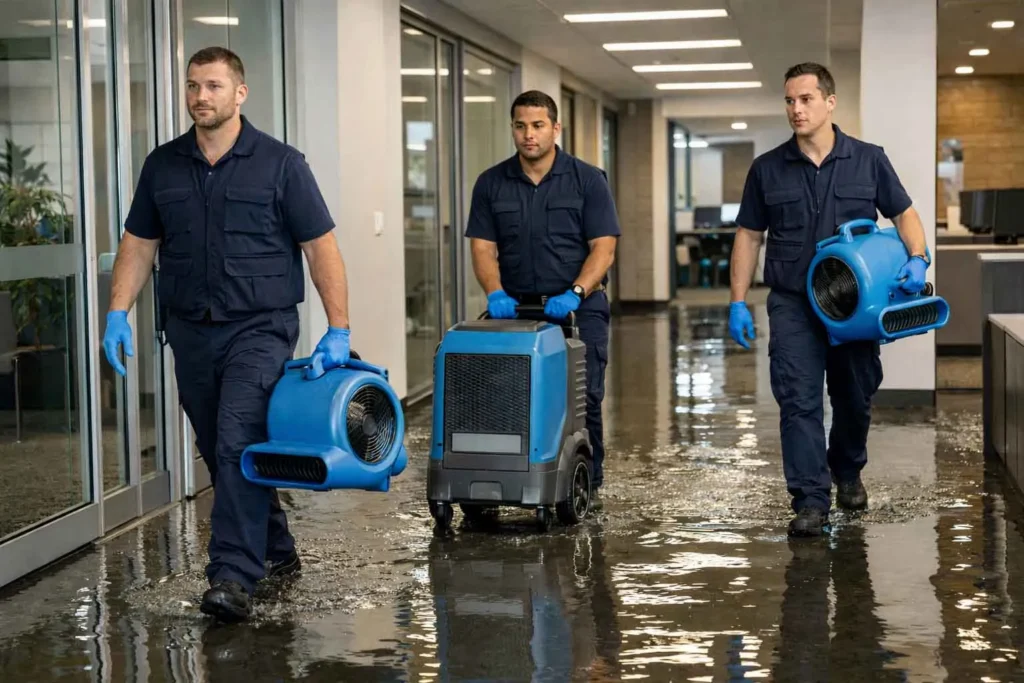
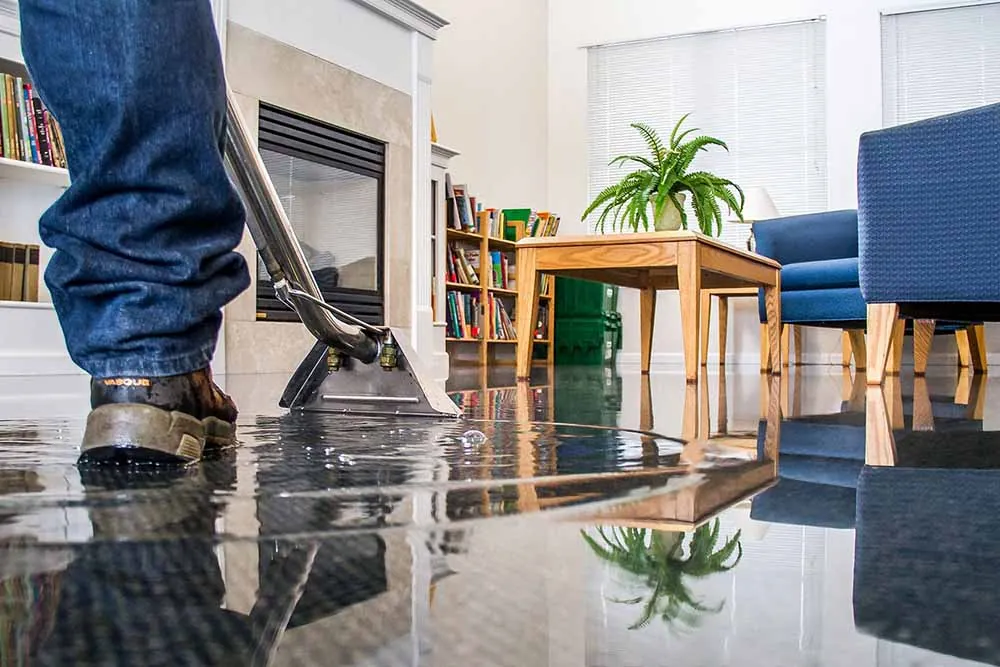
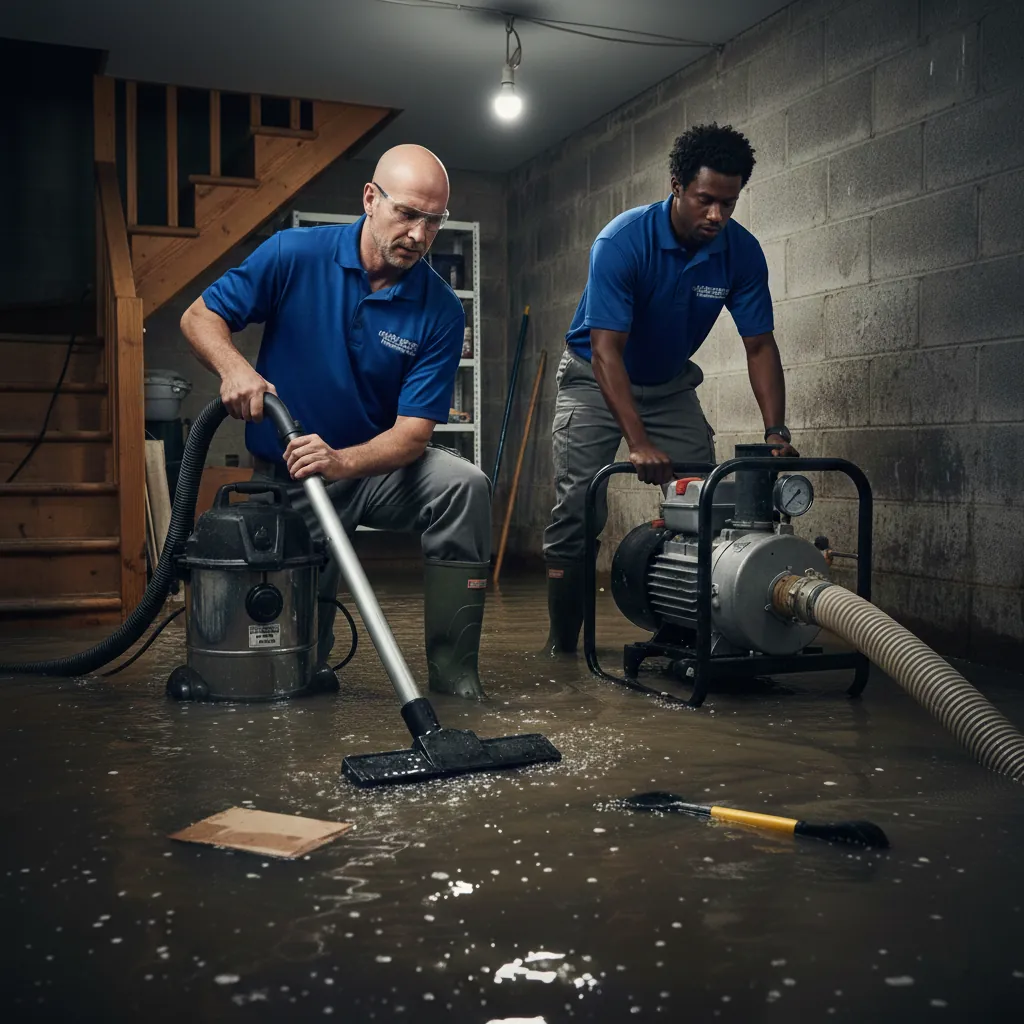
- Emergency Extraction: We prioritize rapid water removal. Using high-capacity pumps and extraction units, we remove standing water as quickly as possible to minimize damage to floors, walls, and belongings. We work systematically, starting with the deepest areas.
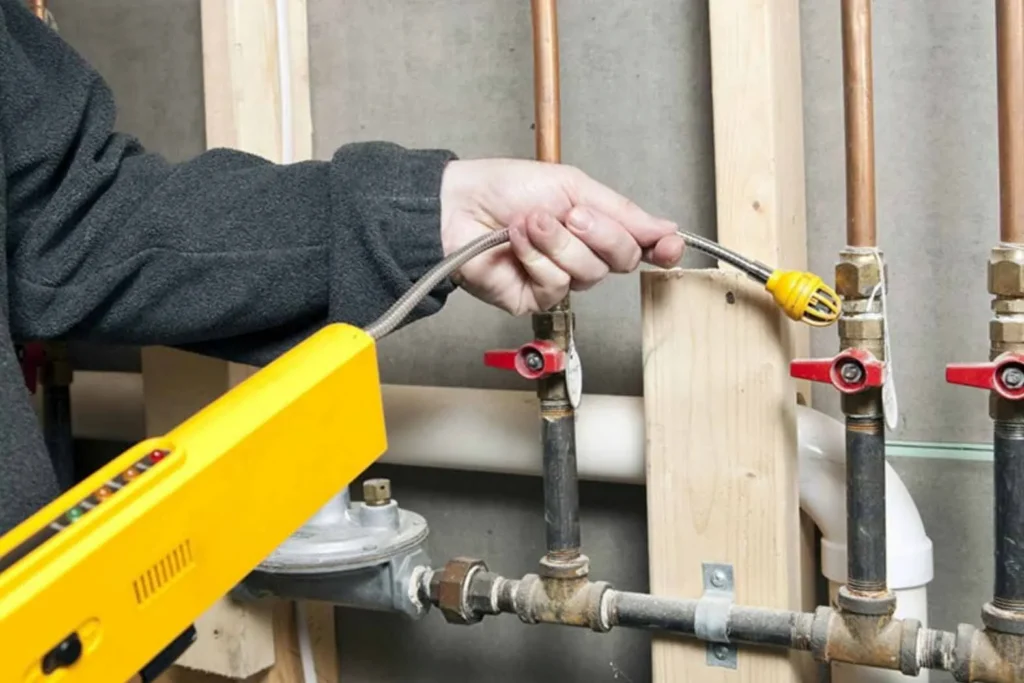
- Safety Assessment: Throughout the process, we monitor for electrical hazards, structural concerns, and contamination issues. We advise you on staying safe and avoiding risks. Wet conditions near electrical panels or outlets require special caution.
- Moisture Detection: After visible water is removed, we use moisture meters to check for hidden saturation in walls, subfloors, and base plates. This information guides drying efforts and helps prevent mold.
- Debris Removal: We remove unsalvageable materials—saturated carpet padding, damaged drywall, insulation, and debris—bagging them for proper disposal. This prevents odor and mold issues.
- Drying and Dehumidification: We set up industrial air movers and dehumidifiers to dry the space thoroughly. We monitor moisture levels daily, adjusting equipment as needed. This phase is critical for preventing secondary damage.
- Sanitization: Affected areas are treated with antimicrobial solutions to prevent mold and mildew growth, particularly important in Patterson's humid conditions.
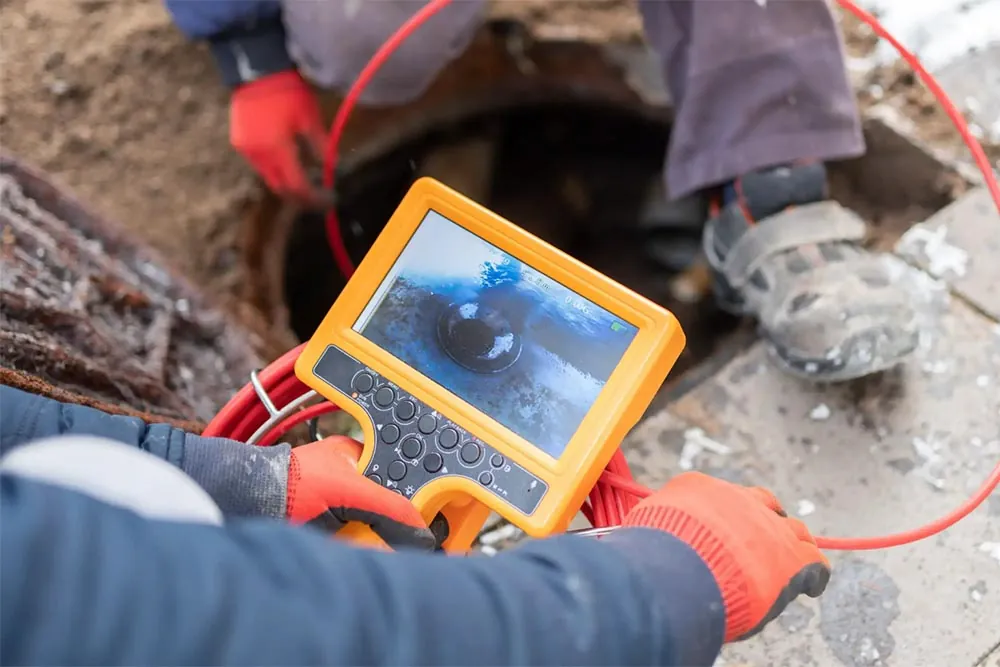
- Root Cause Analysis: We investigate why the flood occurred, examining the sump pump, foundation, drainage, grading, and other potential sources. This is essential for prevention.
Recovery Timeline
- Water extraction: 3-6 hours for typical basement
- Structural drying: 3-7 days with daily monitoring
- Restoration (drywall, flooring, painting): 1-3 weeks depending on extent and material availability
Cost Factors
Costs vary based on water depth, affected square footage, water category (clean/gray/black), and drying equipment needs. Typical basement flood remediation runs $2,000 to $8,000 for extraction and drying. Severe cases with extensive damage may cost more. We provide detailed estimates after initial assessment.