
Expert Sewer Line Repair for Perinton Homeowners
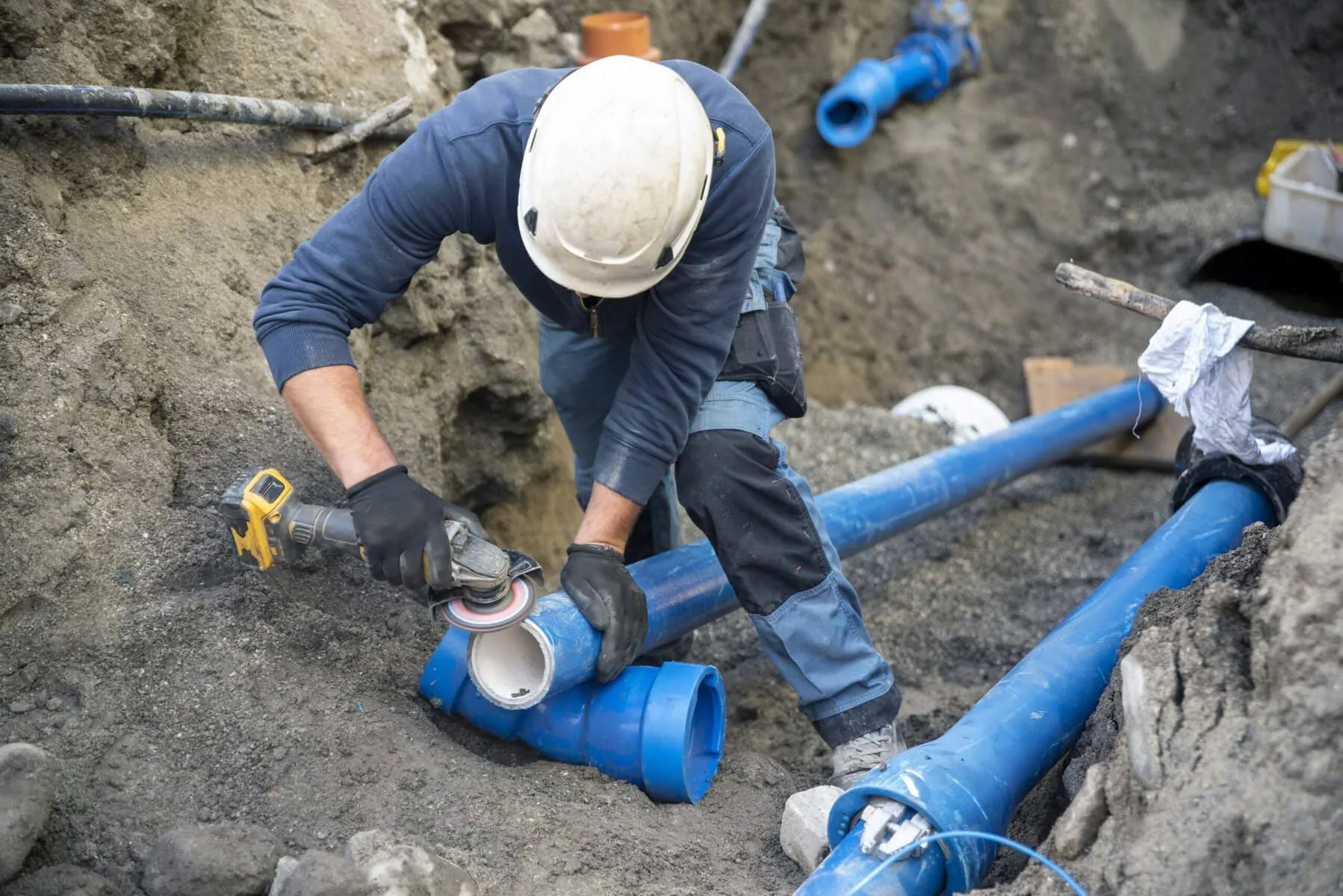
A damaged sewer line is more than an inconvenience—it's a health hazard and a threat to your property. Our specialized sewer line services provide Perinton residents with accurate diagnosis and effective, lasting solutions tailored to your specific situation.
Signs Your Sewer Line Needs Attention
- Multiple Slow Drains: If several drains in your home are slow or backing up simultaneously, the problem is likely in your main sewer line rather than individual fixtures. This is one of the most reliable indicators of a main line issue.
- Foul Odors: Sewage smells in your yard or basement indicate a leak or break in the line, allowing gases to escape. These odors are unmistakable and should never be ignored.
- Gurgling Sounds: When you flush a toilet or run water, gurgling noises from drains suggest air being forced through blockages or breaks in the line.
- Lush Patches of Grass: Areas of unusually green, fast-growing grass along the path of your sewer line may indicate a leak that's fertilizing the lawn—an ironic but telling sign that shouldn't be overlooked.
- Rodent or Pest Issues: Broken sewer lines can attract pests, providing them with access to your home and creating additional problems.
- Foundation Cracks or Settling: In severe cases, leaking sewer lines can wash away soil beneath foundations, leading to structural issues that require extensive repair.
Common Causes of Sewer Line Problems in Perinton
- Tree Root Intrusion: Roots naturally seek moisture and nutrients, and sewer lines provide both. They can enter through tiny cracks or loose joints, gradually growing and expanding until they block or break the pipe. Perinton's mature trees make this a common issue that requires ongoing management.
- Pipe Deterioration: Older materials like clay tile, Orangeburg, and cast iron degrade over time. Clay joints fail, Orangeburg collapses under pressure, and cast iron corrodes from the inside until it can no longer contain waste.
- Ground Movement: Soil shifting, settling, or freeze-thaw cycles can cause pipes to shift, creating misaligned joints or bellies where waste accumulates and eventually blocks flow.
- Grease Buildup: In kitchen lines, grease can accumulate and harden over years, eventually restricting or completely blocking flow. This is particularly common in homes with poor kitchen drainage habits.
- Collapsed Pipes: Severe damage can cause sections of pipe to collapse completely, requiring immediate attention and often excavation.
Project Timeline
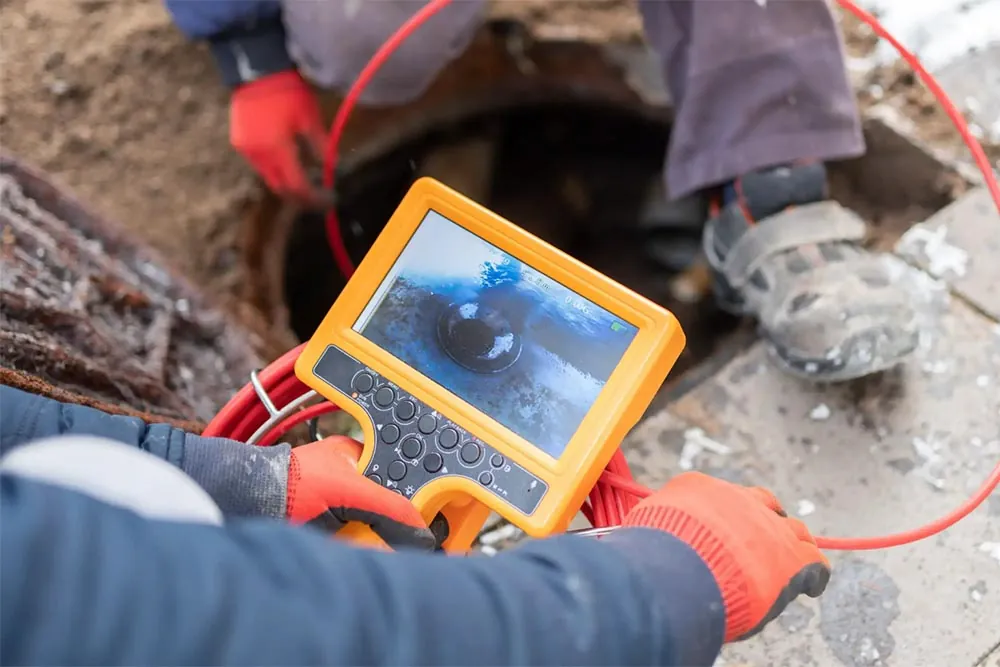
- Camera Inspection: Approximately 1 hour. You receive immediate feedback and a digital record for your files.
- Trenchless Lining: Typically 1 day for installation, plus 2-4 hours of cure time. Your line is usable immediately after curing.
- Pipe Bursting: 1-2 days, depending on line length and accessibility.
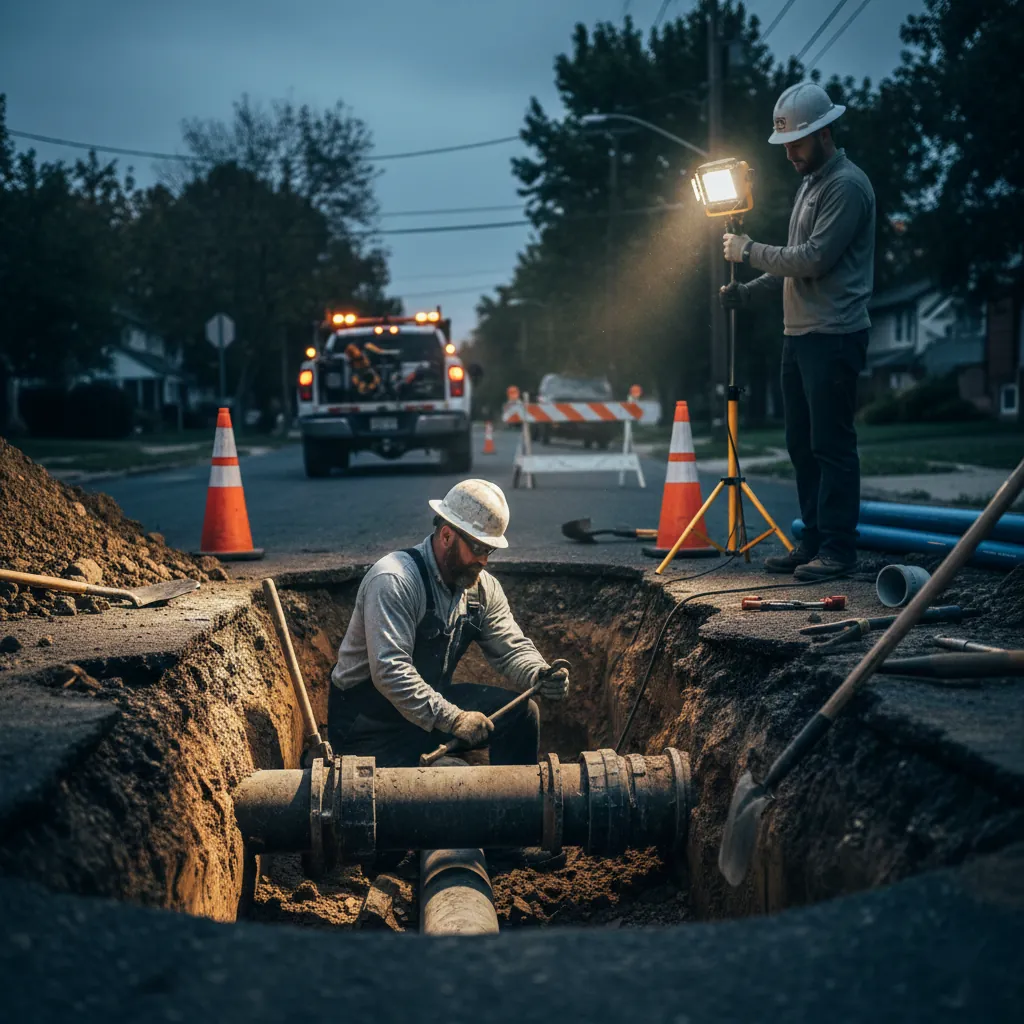
- Traditional Spot Repair: 1-2 days, including excavation, repair, backfill, and initial restoration.
Cost Factors
Costs vary based on depth, length, accessibility, and repair method. We provide detailed written estimates after our camera inspection, ensuring you understand all costs before work begins. Spot repairs typically start around $2,500, trenchless lining ranges from $80 to $250 per foot, and full replacements run $5,000 to $15,000 or more depending on complexity.